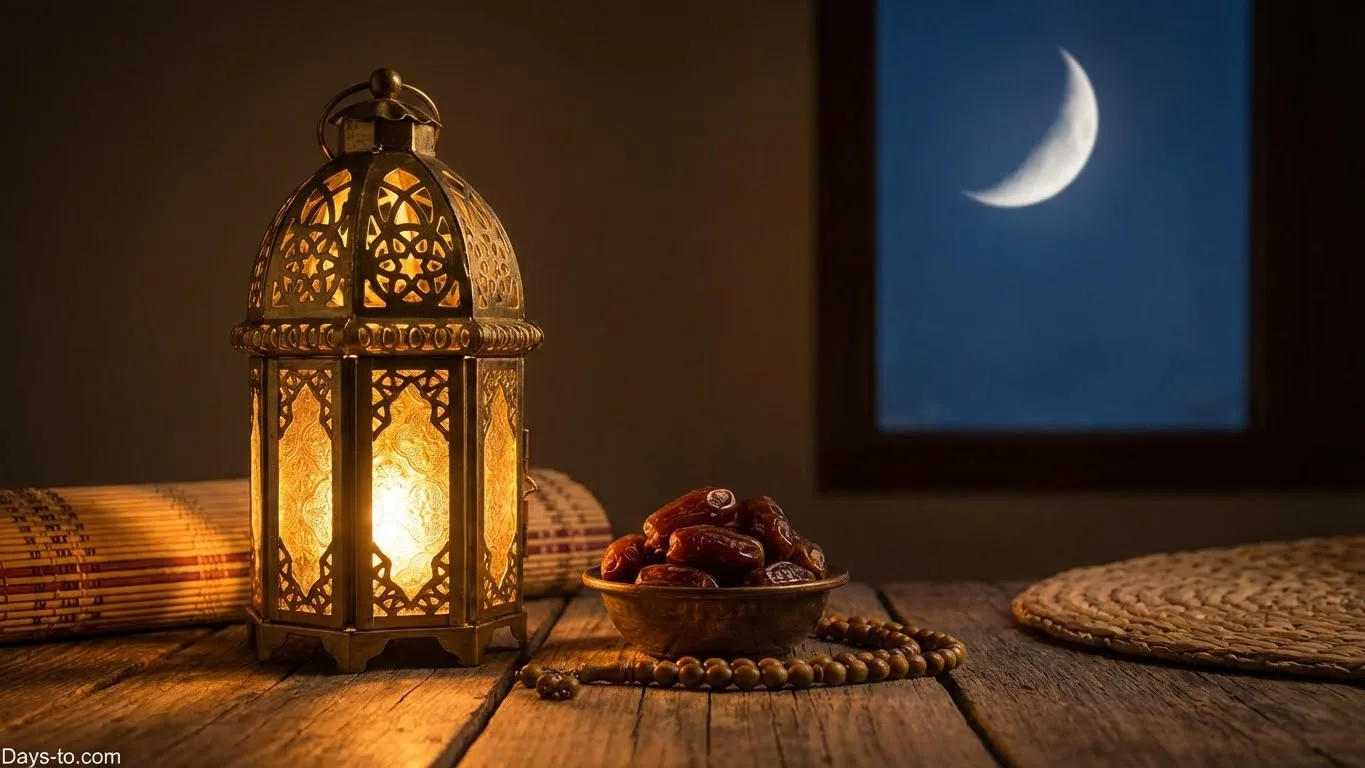
Ramadan
| Year | Day | Date | Days To |
|---|---|---|---|
| 2027 | Mon | February 8, 2027 | 306 days |
| 2028 | Fri | January 28, 2028 | 660 days |
| 2029 | Tue | January 16, 2029 | 1014 days |
| 2030 | Sat | January 5, 2030 | 1368 days |
| 2030 | Thu | December 26, 2030 | 1723 days |
| 2031 | Mon | December 15, 2031 | 2077 days |
| 2032 | Sat | December 4, 2032 | 2432 days |
| 2033 | Wed | November 23, 2033 | 2786 days |
| 2034 | Sun | November 12, 2034 | 3140 days |
| 2035 | Thu | November 1, 2035 | 3494 days |
Ramadan stands as the ninth month of the Islamic calendar and is observed by millions worldwide as a period of fasting, prayer, and reflection. It is not just a change in eating habits; it represents a time for spiritual growth and community bonding. The timing of this month relies entirely on the lunar cycle, which makes it distinct from solar-based calendars used in much of the Western world. Because the lunar year is shorter, Ramadan moves backward by about 11 days each year against the Gregorian calendar.
| Core Aspect | Details |
|---|---|
| Duration | 29 or 30 days (depends on moon sighting) |
| Primary Action | Fasting (Sawm) from dawn to sunset |
| Key Meal | Iftar (breaking the fast) |
| Conclusion | Eid al-Fitr celebration |
The Historical Significance
The origins of this holy month date back to the 7th century. It is believed that during this month, the Quran was revealed to the Prophet Muhammad. This specific event is commemorated on a night known as Laylat al-Qadr, or the Night of Power. Historical accounts suggest this night falls within the last ten odd-numbered nights of the month. Muslims regard this period as the most holy time of the year. The focus remains on reading scripture and engaging in extra nightly prayers called Tarawih.
Understanding the Fast
Fasting, known locally as Sawm, is the most recognizable part of the month. Observers abstain from food, drink, and other physical needs from dawn until sunset. This act is not merely about hunger. It serves as a lesson in self-discipline and empathy for those who are less fortunate. While the physical aspect is tough, the spiritual reward is considered great. Exemptions exist for specific groups. The elderly, travelers, pregnant women, and those who are ill do not have to fast. Their well-being comes first.
Daily Rituals and Meals
The day is structured around two main meals. Before the sun rises, people wake up for a pre-dawn meal called Suhoor. This meal provides the energy needed to get through the day. It usually includes water, fruits, and protein-rich foods. At sunset, the silence breaks with the call to prayer. This signals Iftar, the meal that breaks the fast. Traditionally, this begins with eating three dates and drinking water, following ancient customs. It is a moment of joy shared with family and friends.
The emphasis during Iftar is often on community and sharing, rather than the amount of food on the table.
Charity and Social Harmony
Generosity peaks during these weeks. Charity, or Zakat, is a pillar of the faith that gets special attention now. People donate money or food to ensure everyone can enjoy a proper meal. It is a time to mend broken relationships and practice patience. You will see communities setting up large tables in streets or mosques to feed the public for free. This spirit of giving strengthens social bonds significantly. It is rare to see someone eating alone during Iftar.
The End of the Month
The end of fasting is marked by the sighting of the new moon. This leads to a major festival known as Eid al-Fitr. It is a distinct celebration from Ramadan itself. On this day, fasting is forbidden. People wear their best clothes, attend special morning prayers, and visit relatives. Sweet treats are exchanged, giving it the nickname “Sweet Eid” in some cultures. It is a joyful conclsuion to a month of hard spiritual work. The atmosphere shifts from solemn reflection to open celebration.