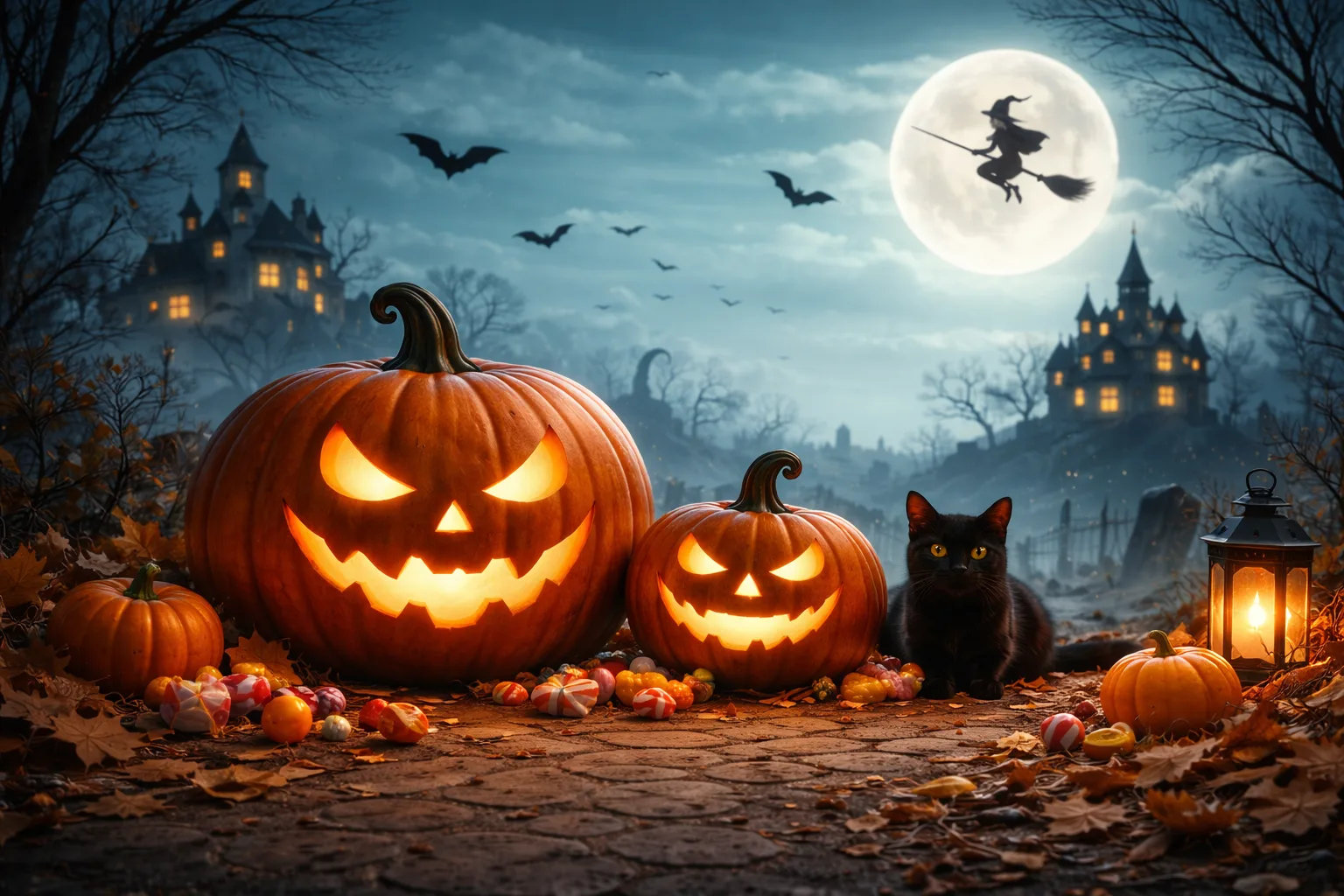
Halloween
| Year | Day | Date | Days To |
|---|---|---|---|
| 2026 | Sat | October 31, 2026 | 4 days |
| 2027 | Sun | October 31, 2027 | 369 days |
| 2028 | Tue | October 31, 2028 | 735 days |
| 2029 | Wed | October 31, 2029 | 1100 days |
| 2030 | Thu | October 31, 2030 | 1465 days |
| 2031 | Fri | October 31, 2031 | 1830 days |
| 2032 | Sun | October 31, 2032 | 2196 days |
| 2033 | Mon | October 31, 2033 | 2561 days |
| 2034 | Tue | October 31, 2034 | 2926 days |
| 2035 | Wed | October 31, 2035 | 3291 days |
| 2036 | Fri | October 31, 2036 | 3657 days |
| 2037 | Sat | October 31, 2037 | 4022 days |
| 2038 | Sun | October 31, 2038 | 4387 days |
| 2039 | Mon | October 31, 2039 | 4752 days |
| 2040 | Wed | October 31, 2040 | 5118 days |
Halloween is a widely celebrated October 31 holiday known for costumes, jack-o’-lanterns, and trick-or-treating. It blends old seasonal customs with modern community fun, making it both historic and easy to celebrate in homes, schools, and neighborhoods.
Key Facts and Dates
| Topic | Quick Detail |
|---|---|
| Date | October 31, the eve of All Saints’ Day |
| Common Symbols | Lanterns, ghosts, cats, autumn leaves |
| Core Activities | Costumes, parties, candy, decor |
| Modern Tone | Playful and family-friendly, often with spooky themes |
Where the Name Comes From
The word Halloween is commonly linked to All Hallows’ Eve, meaning the evening before All Saints’ Day. Over time, everyday speech shortened the phrase, and spelling and pronunciation shifted into the familiar modern form.
Early Roots and Seasonal Meaning
Many historians connect Halloween’s deeper roots to late-autumn traditions in parts of Europe, where people marked the shift from harvest time into darker months. This seasonal turning point encouraged community gatherings, storytelling, and symbolic light—an idea that still lives on in lanterns and warm indoor celebrations.
Helpful idea: Think of Halloween as a seasonal festival first—then add the costumes and spooky styling that fits your audience.
How Traditions Evolved
Across centuries, autumn customs blended with local practices. In some communities, people dressed in simple disguises, shared small treats, and joined night walks lit by carved lanterns. The lantern tradition is often tied to carved root vegetables in earlier periods, while pumpkins later became a popular choice where they were abundant. Those shifts helped form today’s familiar decorations and party themes—traditons that keep changing with each generation.
Icons and What They Suggest
| Icon | Common Association |
|---|---|
| Jack-o’-lantern | Light in the dark, welcoming atmosphere |
| Costume | Play, imagination, role-switching for fun |
| Candy | Sharing, neighborhood connection |
| Autumn colors | Seasonal change, cozy indoor gatherings |
Modern Halloween in Daily Life
Today, Halloween is shaped by community events and home traditions: themed classrooms, neighborhood routes, and friendly parties. Many families focus on simple planning—a costume that’s comfortable, decorations that are easy to set up, and activities that keep everyone included. The best celebrations feel welcoming and bright, even when the theme is “spooky.”
Simple Ways to Celebrate
- Costume plan: Choose a clear theme and add one standout detail like a hat, mask, or cape in a bold color.
- Decor plan: Use two to three repeating items—paper cutouts, lantern shapes, and a door sign.
- Activity plan: Try a short scavenger hunt, a costume parade, or a pumpkin-themed craft.
- Treat plan: Offer wrapped candy plus a small non-food option, keeping the mood inclusive.
Comfort and safety: For outdoor routes, favor visible costumes, well-lit paths, and simple rules that keep the night relaxed for everyone.